A few days living like a Mongolian changed how I think about scale.
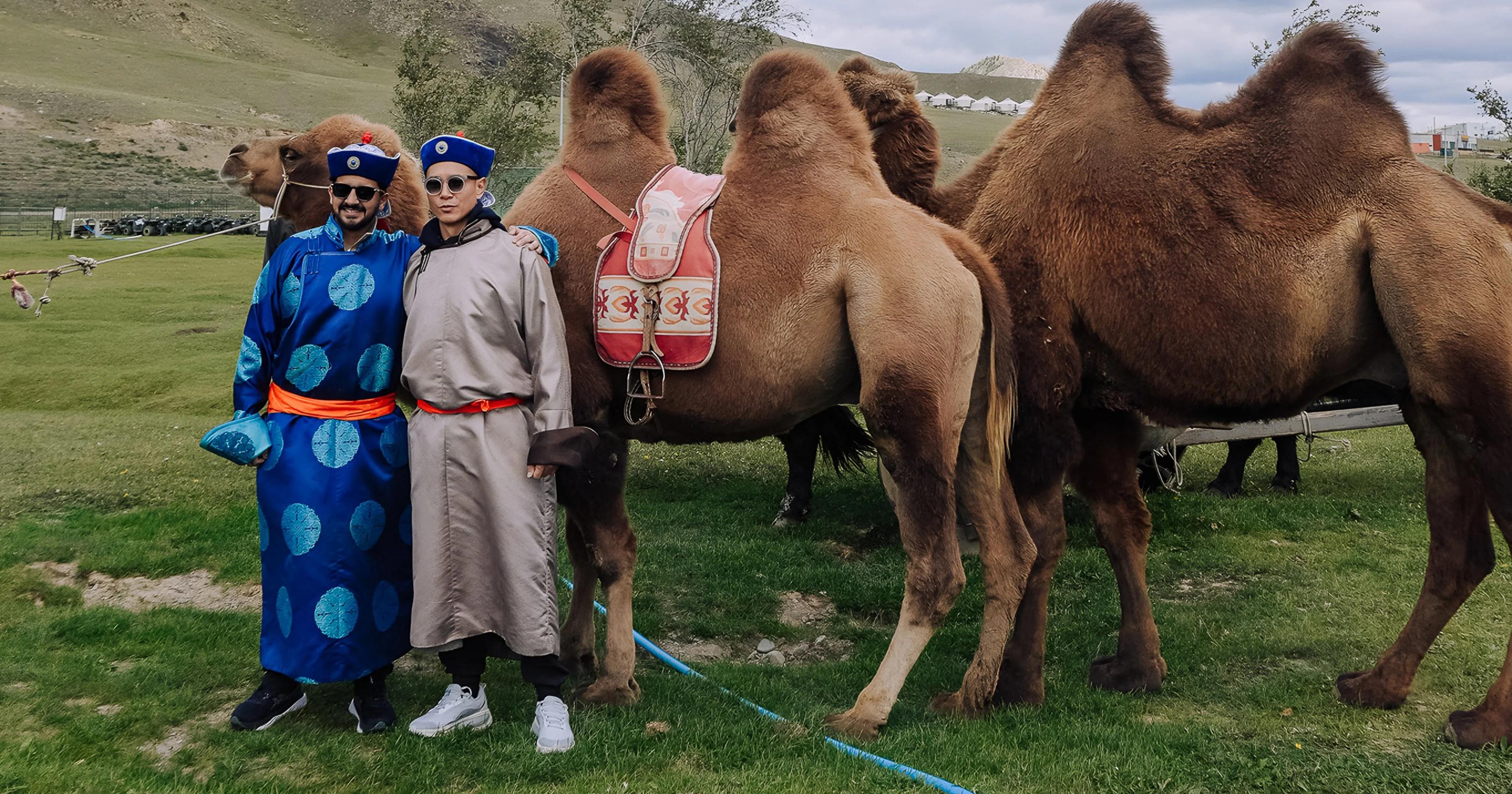
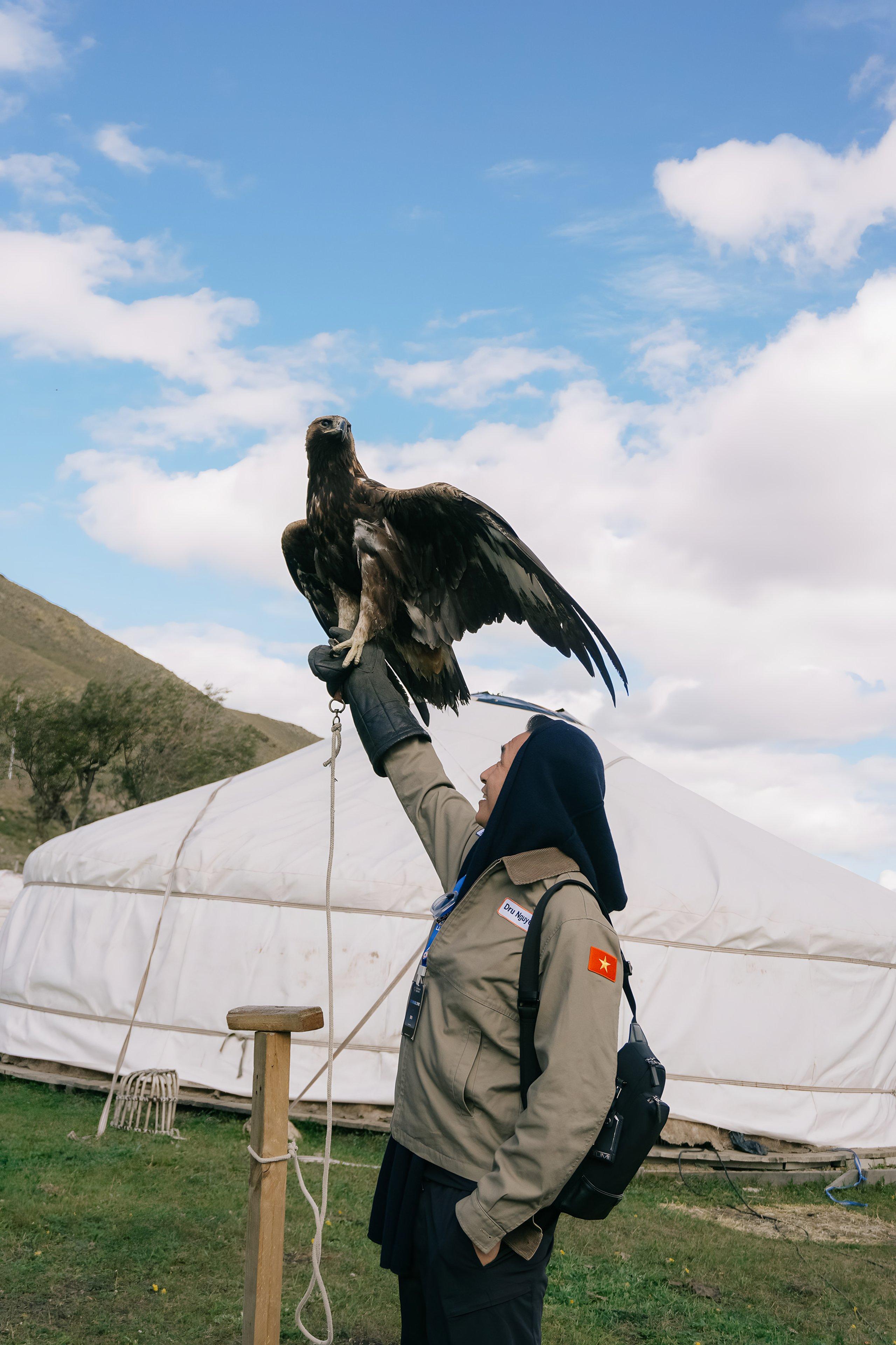
I spent a few days living like a Mongolian in the time of Genghis Khan.
No signal. No shortcuts. You live off what the land gives you, nothing more. The weather there swings from minus 40 to plus 40 degrees in a single year. It is one of the harshest places a human being can try to survive.
And somehow, out of that exact hardship, a small nomadic people built the largest land empire the world has ever seen. An empire that didn't collapse when its founder died. It outlasted him by generations.
I went on this trip on behalf of EO, and EO Mongolia hosted us for Mongol Spirit 2026 in Gorkhi-Terelj National Park. I came home with three lessons I can't stop thinking about.

Hardship isn't the obstacle to success. It's what builds it.
We have it backwards in the modern world. We treat comfort as the goal and hardship as the thing to engineer out of our lives. Faster, easier, smoother, softer.
But grit is not earned in comfort. It is earned in the cold.
Standing in that landscape, you understand why the Mongols were who they were. They didn't become tough despite the conditions. They became tough because of them. The environment set a standard, and everyone who survived it met that standard or didn't survive.
That is true of people, and it is true of teams. The teams that get strong are the ones that went through something hard together, not the ones that had everything handed to them. If you are a founder trying to protect your team from every difficulty, you might be stealing the exact thing that would make them strong.

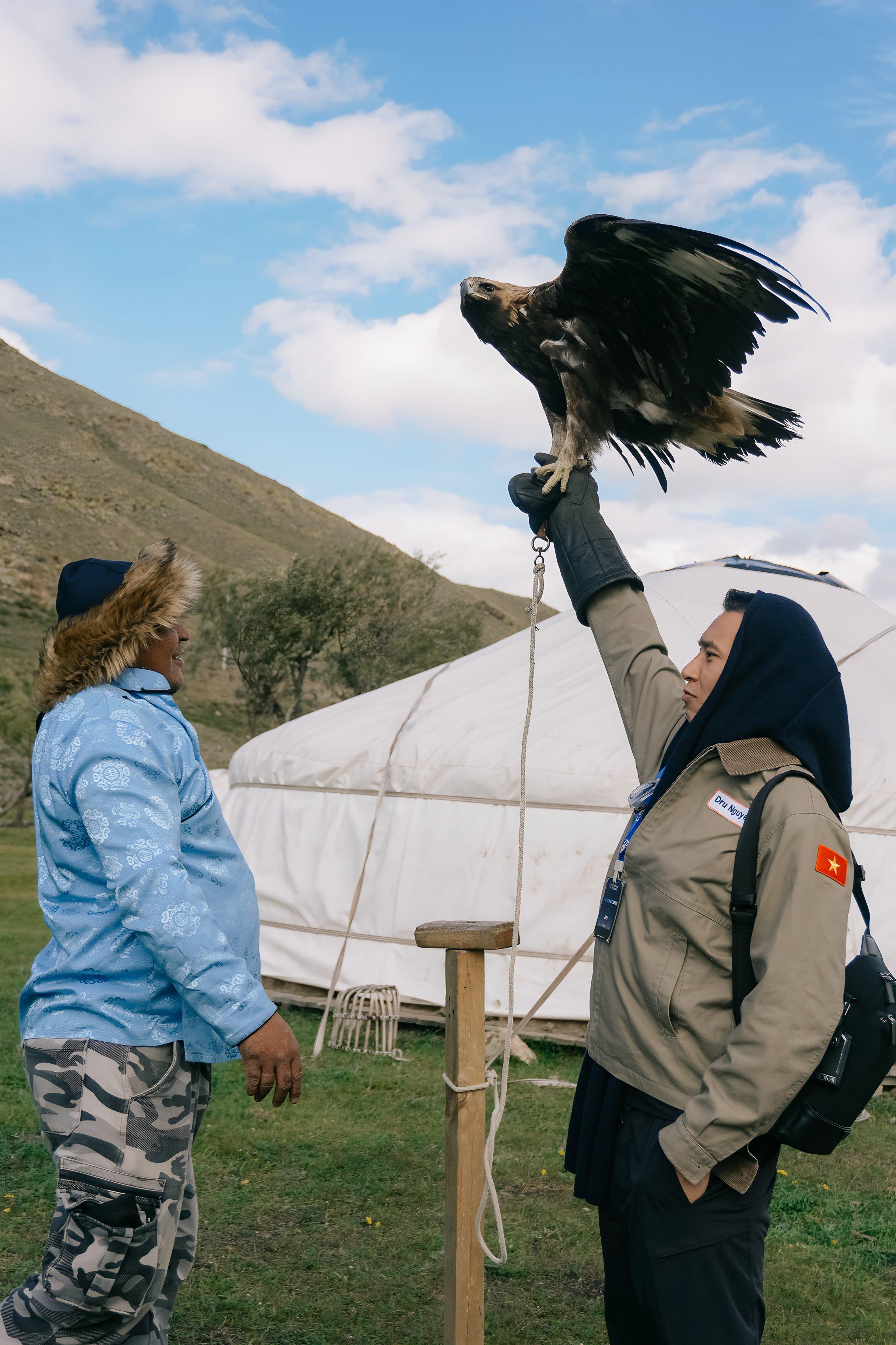
Everyone and everything had a clear role.
In a nomadic system with no margin for waste, there was no confusion about who does what. Every person, every animal, every tool had a defined job. The horse had a role. The herder had a role. The scout, the archer, the leader, all of it was clear.
When survival is on the line, ambiguity is a luxury you cannot afford.
Most modern companies carry a level of role confusion that would have killed a Mongol camp in a week. Three people think they own the same decision. Nobody owns the one that actually matters. Work falls through the cracks not because people are lazy, but because nobody was clear on whose job it was.
This is the Alignment letter in the operating system I teach, C.L.E.A.R. The customer or the mission is the hero. Your job as a leader is to make sure every person around you knows their seat and their result. Clear roles are not bureaucracy. They are what lets a team move fast without tripping over each other.
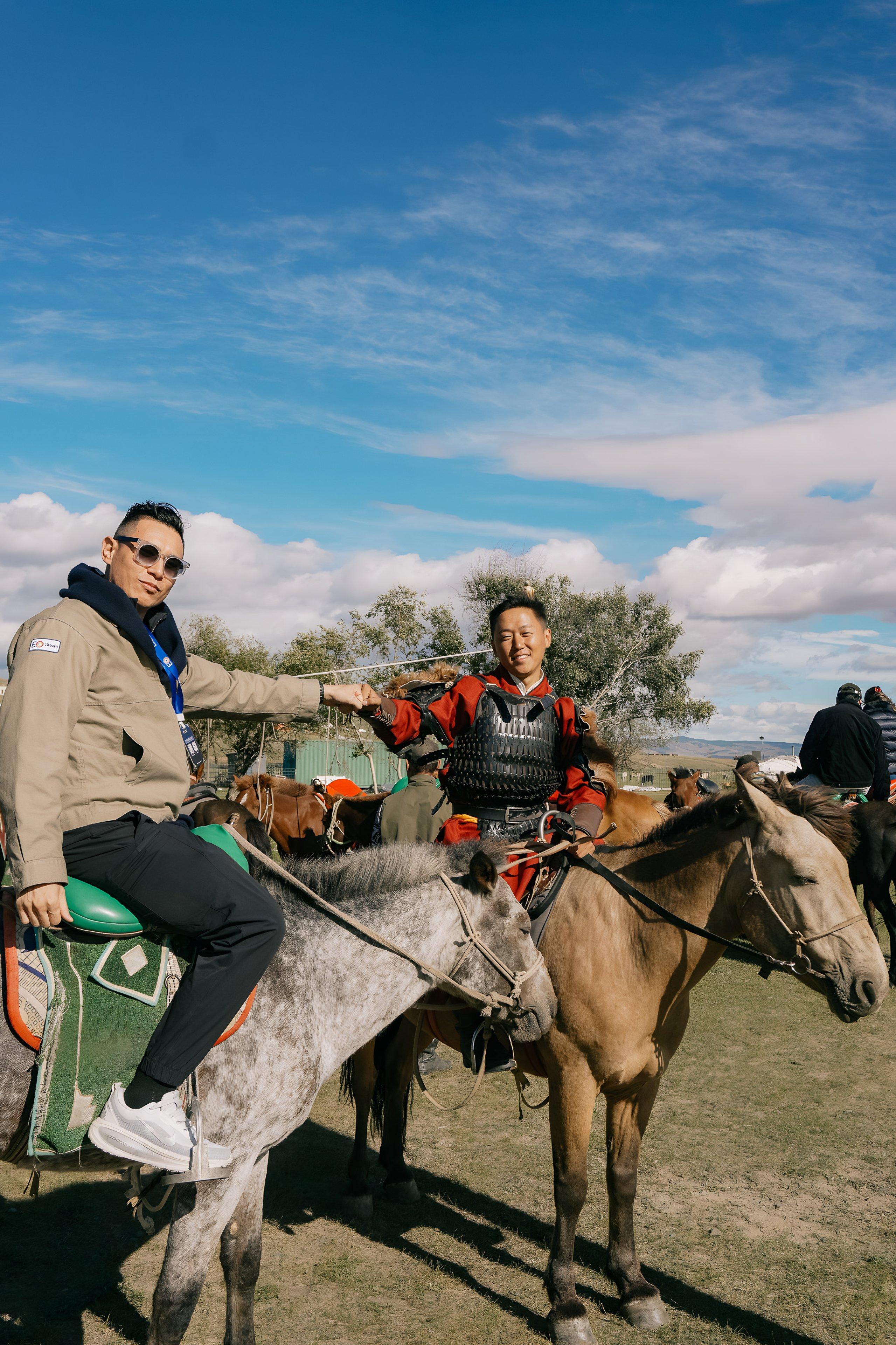
Genghis Khan's real genius wasn't conquest. It was the system.
This is the one that hit me hardest.
I've been reading a book called Strategy Is Attitude, and it makes an argument that reframed the whole trip for me. The claim is this: for fifty years we have treated strategy as a conscious, analytical skill. We built better tools, better frameworks, better spreadsheets. And the failure rate didn't move. Because real strategic judgment doesn't live in the conscious mind. It lives in attitude, in instinct, in how a person is trained to see reality before they even start analyzing.
Here is the part that stayed with me. According to the author, only one leader in history built a command system that actually installed this capability in others. One leader who didn't just win battles, but mass-produced strategists who could win without him in the room.
Genghis Khan.
Alexander the Great couldn't do it. His empire fractured the moment he died. Napoleon couldn't do it. No modern corporation has truly done it either.
Genghis built something different. He built a system that produced strategic leaders again and again, so the empire didn't depend on his presence. It depended on the structure he created. That is why it outlasted him.
And that is exactly the problem we are solving at Xood.
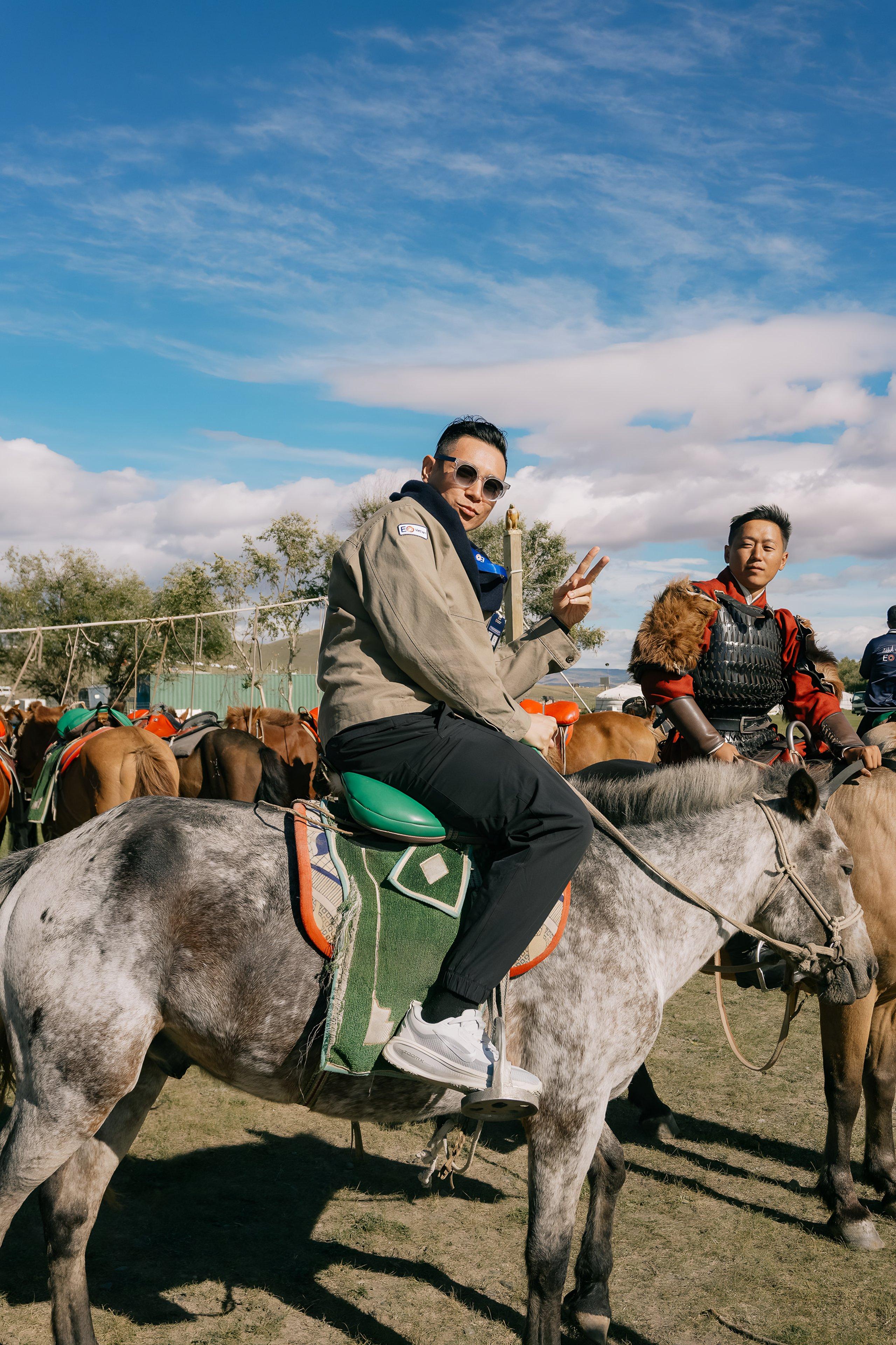
Most businesses run on heroes. That's the trap.
Think about your own company. The results probably depend on a few people who just know how to get things done. The one person who understands the real process. The one who holds the client relationship. The one who can fix the thing when it breaks.
They are your heroes. And they are also your biggest risk.
Because when they leave, the results leave with them. You didn't build a business. You built a dependency with a logo on it.
This is the Execution letter in C.L.E.A.R., and it is the whole game: repeatable beats heroic. At Xood, every workflow has one clear role and delivers one clear result. A builder designs the workflow once, and anyone can use it to get the same outcome. The system produces the result, not one irreplaceable person.
That is the same principle Genghis understood 800 years ago. The founder's job is not to be the hero. It is to build the thing that no longer needs the hero.
The last lesson was the quietest one.
For a few days, with no signal and nowhere to be, I got to just be present. No notifications. No tabs. No next thing pulling at my attention.
That might have been the most important lesson of all. You cannot see your business clearly, or your life clearly, when you never step far enough back to look at it. Sometimes the cold, quiet, disconnected place is where the thinking actually happens.
Does your company run on a system, or on a few heroes?
Be honest about the answer. Because the empires that last, in history and in business, are never built on one person. They are built on structure that outlives the person who started it.
That is the standard. Now the work is building toward it.
What is the one part of your business that would fall apart if your best person walked out tomorrow? That is where I would start.